PRODUCER: Simon Brown & Merlith Cruz
FARM: Las Etiopes
REGION: El Porvenir, Jaen, Cajamarca
PROCESS: Washed (natural mosto inoculated)
VARIETIES: Geisha
ALTITUDE: 1950 - 2050 MASL
NOTES: Jasmine, pear drops, apricot
This stunning geisha presents with classic jasmine notes, and a deep, silky sweetness. As it cools, the fruitiness intensifies, with lots of apricot and pear. Elegant and complex, simply delicious.
We're thrilled to get our hands on some of Simon and Merlith's coffee, grown at their farm Las Etiopes. The first trees were planted in 2020, and 2 of the 6 hectares are Ethiopian heirloom varieties. This geisha has been meticulously processed, and fermented with a natural mosto.
Last year, I kept hearing the name Simon Brown. 'Have you tried Simon's coffees?' 'Favourite coffee of the year!' 'Some of the best Peru's I've tasted!' So you can imagine the excitement when we finally got our hands on some samples...It was tough choosing just the one, but to kick us off we've gone straight in with this stunning geisha. Why not, eh?
From our importer - Chacra
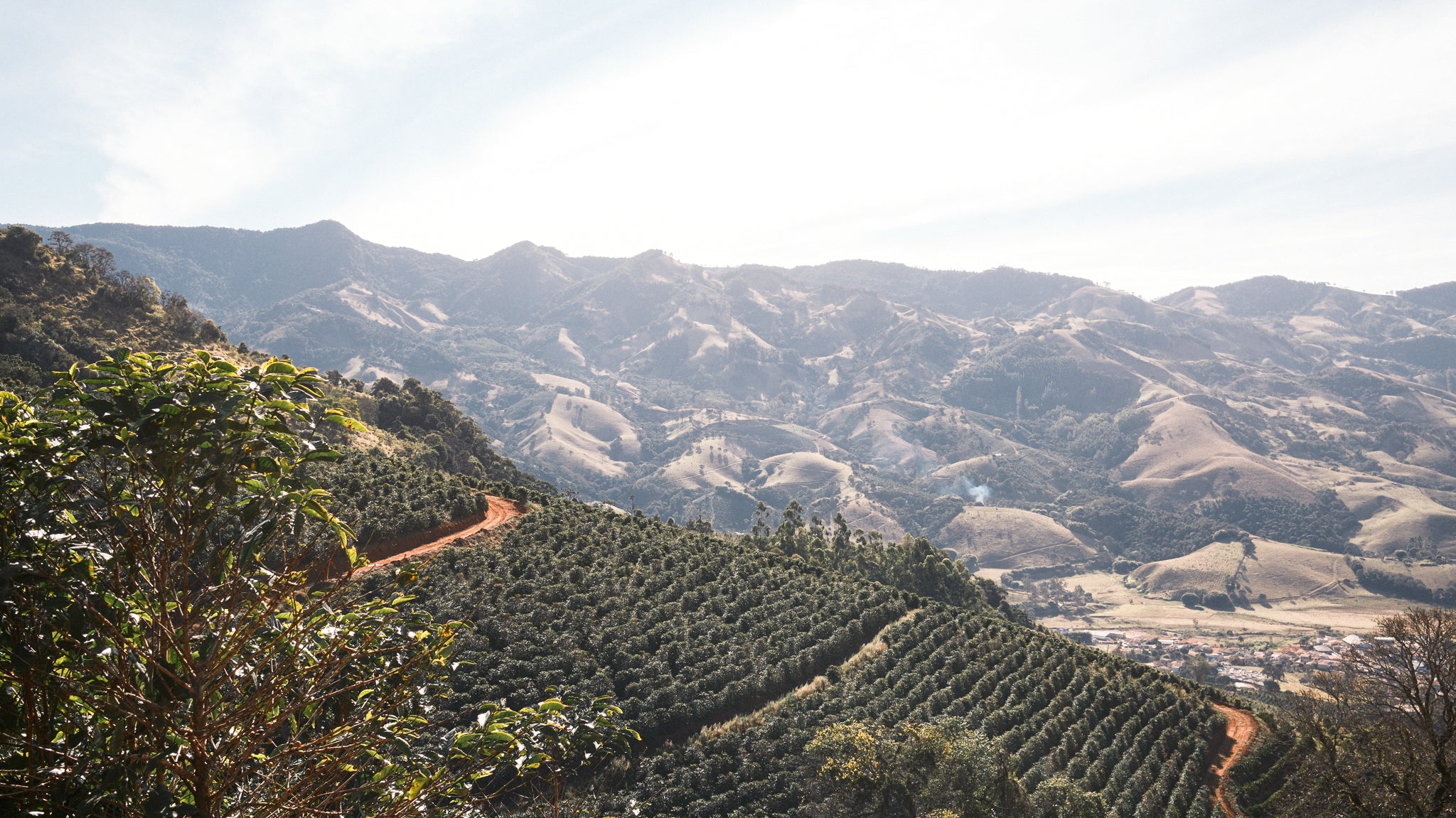
Las Etiopes is a 7 hectare farm situated in the village of El Porvenir in Jaen, Cajamarca. The farm sits at an altitude of 1900m and reaches 2050m at its peak, of the 6 hectares only 2 are currently planted with Ethiopian heirloom varieties, geisha, wush wush and sidra. Simon bought the farm in 2019 and the first trees were planted in early 2020. Of the Ethiopian varieties there are around 5 lines, some of which are compact types and others taller and somewhat similar to bourbon or geisha. The geisha grown at the farm is made up of two different lines, one which is a geisha type from Ethiopia and the other is seed from Panama, most of the production is from the Panamanian line.
Processing:
This lot was fermented with a natural mosto, made from fermenting a batch of geisha in sealed tanks with a solution made from simple syrup and hops, the purpose of adding hops is for it’s natural antimicrobial properties which allow for the proliferation of yeasts rather than bacteria. The pulped coffee is then left to ferment for a period of 5 to 7 days, with pH and brix readings taken regularly in order to monitor fermentation and yeast growth. Once the batch reaches a point where the yeast are sufficiently vigorous, the liquid is strained off and the coffee removed. This liquid is the mosto which can be used to inoculate production batches of coffee, and can be maintained somewhat like a sourdough starter with regular feedings of sugar syrup, keeping a close eye on the
pH to ensure the acidity doesn’t drop too much. Freshly picked coffee is first rinsed and floated in fresh, cold spring water which serves to both remove lower quality beans and also to clean the cherry and reduce it’s microbial load. The rinsed cherries are depulped
and placed in stainless steel tanks, where they are fermented for a period of 72 hours with the mosto under the natural pressure generated from fermentation.
Once the fermentation is complete the coffee is taken out of the tank and the liquid preserved for future batches, after being refreshed with more sugar syrup. The fermented coffee is washed once in spring water and moved over to the drying beds for slow drying.
To get the best from your coffee please take a look at our brew guides HERE
ALL PACKAGING IS CARBON NEUTRAL AND WIDELY RECYCLABLE