COOPERATIVE: Kibugu Cooperative Society
REGION: Embu County
PROCESS: Washed
VARIETIES: SL28, SL34 & Ruiru11
ALTITUDE: 1600-1800 MASL
NOTES: Golden kiwi, blackcurrant, vine tomato
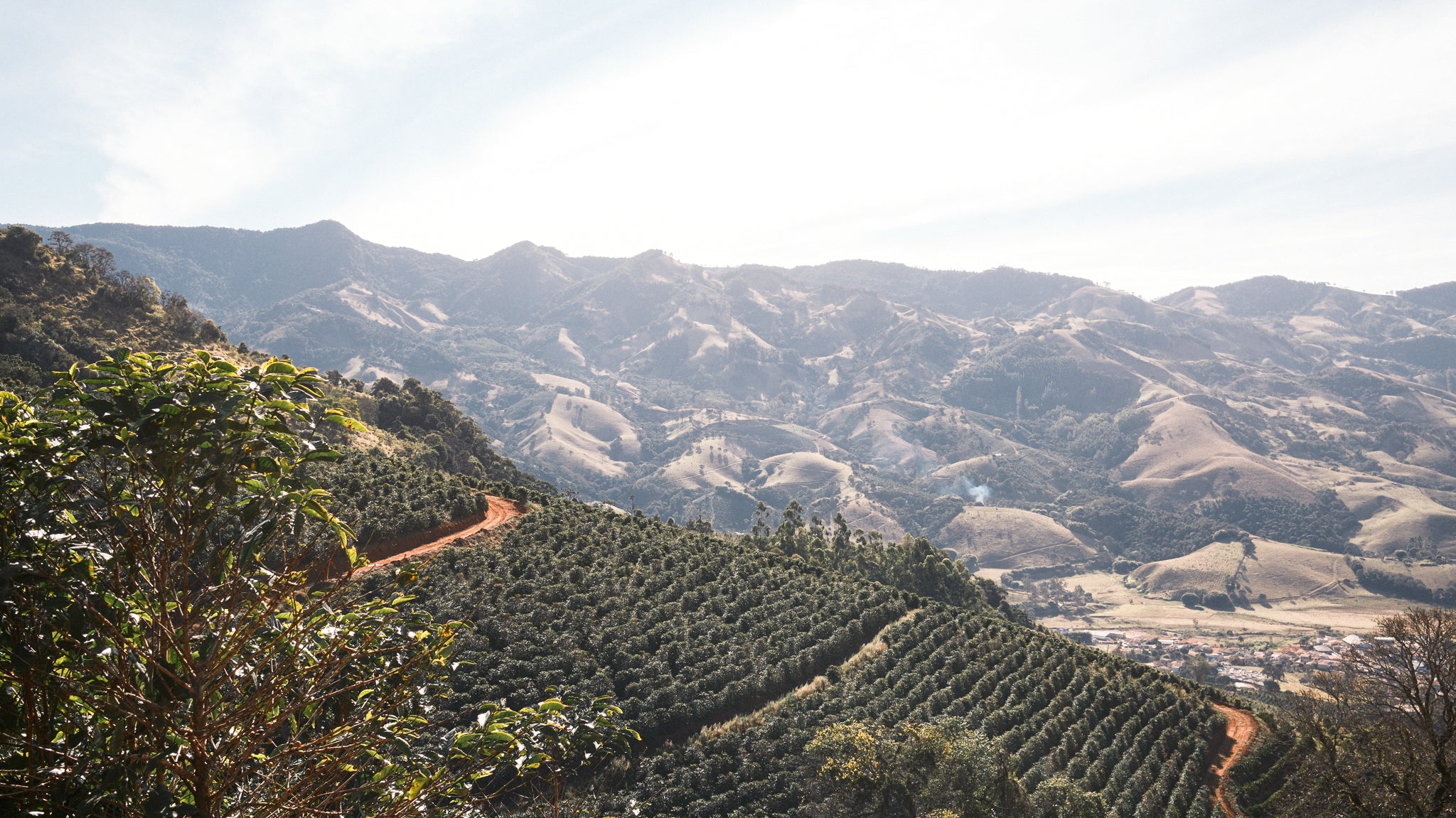
Our Kenyans have landed early this year, so we're going with the flow and getting them out there as fast as possible! First up is this beaut from the Kibugu Cooperative Society in Embu County, where high elevations, fertile volcanic soils and a cool climate allow cherries to mature slowly. This results in a bright acidity and structured cup that Kenyan coffees are known for. We're tasting sweet and sour kiwis and lots of dark berries. The blackcurrant note isn't pronounced, but sits softly in the background- complimented by a pleasing savoury and sweet tomato note. Another year brings yet more stunning Kenyan coffees- what a time to be alive!
Gikirima Factory is operated by Kibugu Farmers Cooperative Society in Embu, Kenya. Around 1,050 smallholder farmers deliver cherry to the station, with farms typically measuring less than one hectare on average. Coffee for this lot is grown at approximately 1,800 metres above sea level, and the varieties include SL28, SL34, and Ruiru 11. Cherries are selectively hand-picked and delivered to the factory, where they are carefully sorted and floated to separate denser ripe fruit before pulping. The coffee is then fully washed, fermented for around 24 hours, washed clean of mucilage, and dried on raised beds. During drying, the parchment is turned regularly and covered during the hottest part of the day and at night to support slow, even drying.
FROM OUR IMPORTER - FALCON
The vast majority of the coffee bought and sold in Kenya is traded through the national auction system, where marketing agents enter cooperatives' and estates’ coffee and traders come to bid. The main buyers from this auction system are large multinationals, who then offer the lots to importers and roasters. Unfortunately, this has been the only way to purchase Kenyan coffee for a long time and we’ve become frustrated with the lack of transparency, poor service and price volatility.
In the last few years we have started buying directly from the auction using a local Kenyan company, who bid on the coffee on our behalf, after we have cupped through auction samples which have initially been filtered by a local cupper. This was a conscious decision to support local, Kenyan businesses, and to make the supply chain more efficient and to get the coffees moving quicker from origin.
To get the best from your coffee please take a look at our brew guides HERE
ALL PACKAGING IS CARBON NEUTRAL AND WIDELY RECYCLABLE